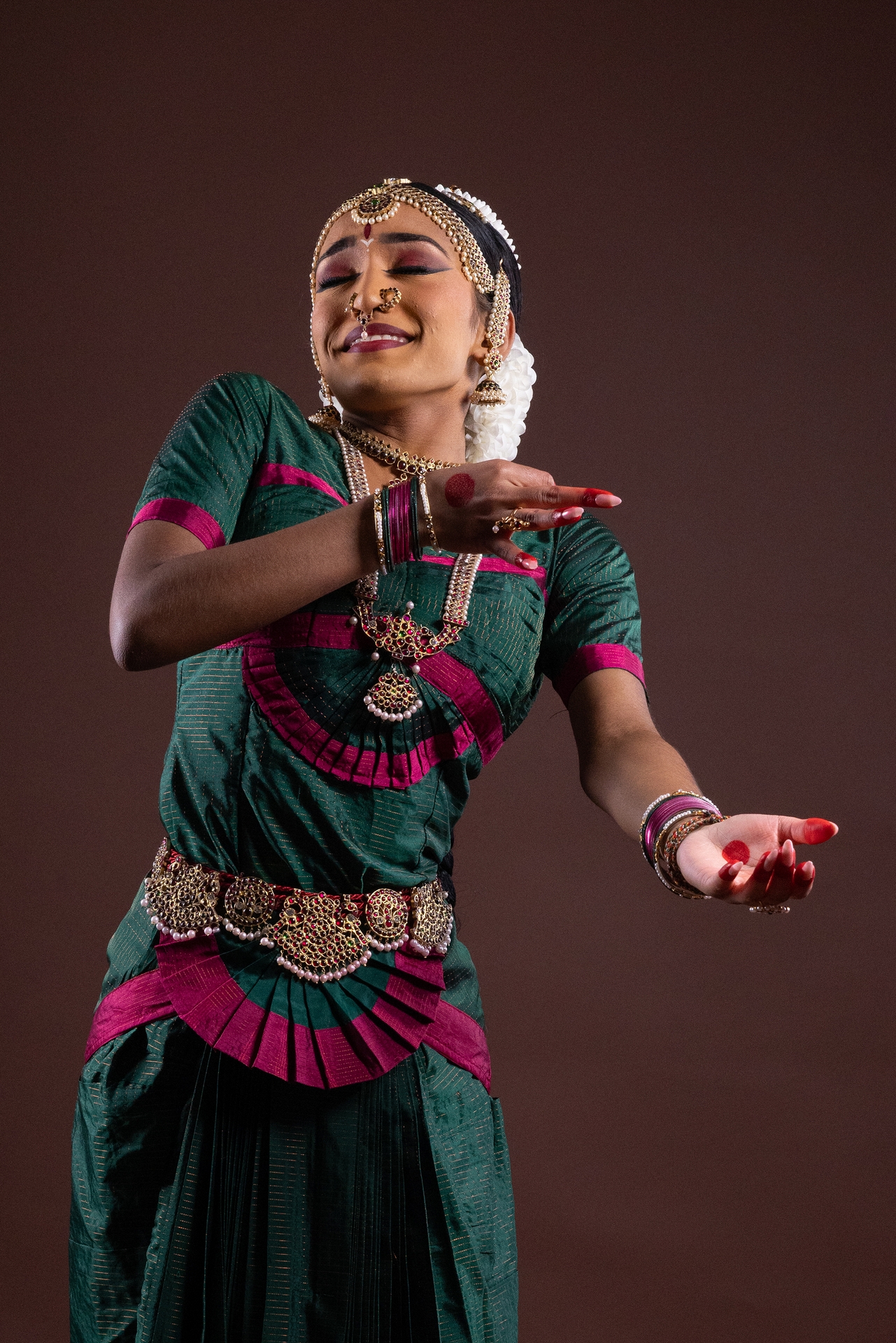
Tolkāppiyam’s Theory of “Meyppāṭu” (Emotional Expression) and the Functioning of the Human Mind
Grammar texts traditionally analyze sound, form, and meaning, examining how they operate structurally and how they come together to create meaning. This approach is common across languages.
While grammar for letters and words is relatively straightforward, creating a grammar for meaning is far more complex. It requires analyzing human mental expression, identifying its fundamental components, organizing them, and establishing rules.
Human mental expressions are varied and unique; no two minds operate in exactly the same way. The great achievement of the Poruḷatikāram (the section on meaning in Tolkāppiyam) is that it creates a systematic framework for the vast and intricate workings of the human mind.
All expressions of meaning originate in everyday experience. Through imagination, they enter the realm of literature. Any attempt to codify these literary expressions must follow a method that is universally recognizable and logically consistent. The components organized under meaning must follow rules that remain stable and not arbitrarily changeable.
Following this structural outlook, Tolkāppiyam constructs its grammar of meaning based on the functioning of the human mind. This foundational approach allows it to apply its rules across all human minds.
In the 20th century, French anthropologist Claude Lévi-Strauss conducted extensive studies on how human thought operates through binary opposition, pairs such as raw/cooked, nature/culture, or light/dark. He argued that the human mind instinctively organizes the world by comparing contrasting elements, and that meaning arises from this opposition rather than from isolated concepts.
The human mind understands anything by placing it against its opposite. This act of comparison, grasping meaning through contrasting pairs, is its basic mode of operation. This is what we refer to as the functioning of the human mind.
Using this principle of binary opposition, Tolkāppiyam systematically expands and categorizes all emotional expressions (meyppāṭu).
Tolkāppiyam identifies four primary emotions and their four opposing states, representing a distinctly Tamil analytical tradition. In the way it organizes emotional expression and explains literary structure, the Poruḷatikāram demonstrates an early understanding of the mind’s reliance on binary opposition.
Through this perspective, Tolkāppiyam stands apart from Sanskrit grammatical traditions. By studying how Tolkāppiyam explains the workings of the mind, this presentation seeks to uncover distinct currents of Tamil thought and to understand the conceptual differences between Tamil and Sanskrit intellectual traditions.